
Texas enforces strict rules under the Texas Timeshare Act to protect consumers from misleading advertising. If you’re considering a timeshare in Texas, here’s what you need to know:
- Advertising Rules: Ads must clearly identify the developer and marketing company, disclose their intent to sell timeshares, and follow strict guidelines if contests or giveaways are involved.
- Registration: Developers must register their timeshare plans with the Texas Real Estate Commission (TREC) before advertising or selling in Texas.
- Penalties: Violations, such as deceptive ads or unregistered sales, can result in fines up to $10,000, suspension of registration, and potential civil liabilities.
- Consumer Protections: Buyers have a 5-day cancellation window after receiving the contract or disclosure statement, ensuring they can reconsider their decision.
These laws apply to both in-state and out-of-state timeshares marketed to Texas residents. If you suspect a violation, legal options may be available to cancel your contract or seek remedies.
Required Disclosures for Texas Timeshare Advertising
Texas Property Code Chapter 221 lays out strict disclosure rules for timeshare advertisements. These aren’t just recommendations – they’re legal requirements aimed at ensuring transparency and protecting consumers from misleading marketing tactics. Whether it’s a direct mail campaign, an online ad, or a promotional event, specific details must be clearly presented in every timeshare advertisement.
Developer and Marketing Company Identification
Every timeshare ad in Texas must prominently display the developer’s name along with the name and address of any marketing company involved in the promotion. This ensures potential buyers can identify who is behind the offer and confirm their legitimacy.
For example, if ABC Timeshare Development Company teams up with XYZ Marketing Group, the ad must include both names and XYZ’s address. However, if the marketing company is a subsidiary or division of the developer, the address requirement may not apply.
It’s also essential for timeshare companies to maintain detailed records of all their advertisements, including copies of promotional materials and communications. These records should confirm that the developer’s name and the marketing company’s name and address (if applicable) are included in every ad. To avoid legal missteps, companies should consider consulting legal experts in timeshare law to review their advertising materials and establish proper compliance protocols.
Next, let’s look at how advertisements must clearly communicate their sales intentions.
Timeshare Interest Solicitation Statement
Texas law requires timeshare advertisements to be upfront about their purpose. Any ad or promotion tied to a timeshare offering must clearly state that it is soliciting purchasers of timeshare interests. It must also disclose that anyone who provides their contact information during the promotion may be solicited by the developer or marketing company.
In other words, ads can’t simply promote a "free vacation getaway" or an "exclusive resort tour" without making it clear that the real goal is to sell timeshare interests. They must also inform participants that providing their information will likely lead to follow-up sales pitches.
Now, let’s dive into the rules for contests and giveaways tied to timeshare promotions.
Contest and Gift Giveaway Compliance Rules
If a timeshare advertisement includes contests, prizes, or giveaways, additional rules come into play under the Contest and Gift Giveaway Act (Chapter 621 of the Texas Business & Commerce Code). These rules are designed to prevent companies from using prizes or vacation certificates to disguise a sales pitch without proper disclosure.
Such advertisements must include full details about the promotion, including sweepstakes rules, eligibility criteria, odds of winning, and complete information about any prizes, such as lodging certificates or vacation awards. The goal is to ensure consumers fully understand the terms and conditions, as well as any obligations tied to the promotion.
For instance, if a company advertises a chance to win a Caribbean cruise or a free weekend stay, the ad must clearly outline the contest rules, eligibility requirements, odds of winning, whether attending a sales presentation is necessary, and the actual value and limitations of the prize.
Failing to meet these contest and giveaway requirements is a violation of both the Contest and Gift Giveaway Act and the Texas Timeshare Act. Non-compliance can result in administrative penalties of up to $10,000, suspension or revocation of the developer’s registration by the Texas Real Estate Commission, and other disciplinary actions. Additionally, such violations may breach the Texas Deceptive Trade Practices – Consumer Protection Act, exposing companies to further civil liabilities.
Additional Disclosures Required During Timeshare Sales
In Texas, after the initial advertising phase, additional disclosures are required during the sales process to ensure buyers are fully informed before committing to a timeshare purchase. These disclosures serve as a safeguard, giving consumers the necessary details to make an educated decision. Developers are legally obligated to provide specific documents and notices before buyers sign any purchase agreement. Here’s what must be disclosed.
Timeshare Disclosure Statement
Before any agreement is signed, developers must present a complete disclosure statement as outlined in Texas Property Code Section 221.032(b). This document lays out critical details about the timeshare, including:
- Information about the property
- The type of timeshare interest being sold
- Any restrictions or limitations on use
- Maintenance fees and other ongoing costs
- The developer’s identity and contact information
- Any liens or encumbrances on the property
Developers are required to keep records proving that buyers received this disclosure statement before signing the contract. Timing is key – the document must be provided before the agreement is executed, not during or after. Failure to comply can result in significant consequences, including administrative penalties of up to $10,000, suspension or revocation of the developer’s registration, or other disciplinary measures by the Texas Real Estate Commission. Additionally, violations may fall under the Texas Deceptive Trade Practices – Consumer Protection Act, which could lead to civil liability.
Exchange Program Disclosure (If Applicable)
Some timeshare arrangements allow buyers to exchange their timeshare weeks or points for stays at other resorts through an exchange program. If this feature is included, Texas Property Code Section 221.033(d) mandates a separate exchange program disclosure statement. This statement must clearly explain how the program works, including:
- Details of the exchange process
- Any associated fees
- Limitations or restrictions
- The identity of any third-party operator
This disclosure must be provided alongside the main timeshare disclosure statement – again, before the purchase agreement is signed. If a third-party company manages the exchange program, the disclosure should clearly state this and include the company’s contact information so buyers can independently verify the details.
Cancellation Rights Notice
Texas law offers timeshare buyers a valuable safety net: the right to cancel their purchase within a specific timeframe, no questions asked. Every purchase contract must include a clear and conspicuous notice of this cancellation right, ensuring buyers are aware of their ability to back out if they change their minds.
The cancellation period extends through the 5th day following either the date the buyer signs and receives the contract or the date they receive the timeshare disclosure statement – whichever comes later. This typically results in a 6-day cancellation window. For example, if a buyer signs the contract on a Monday but doesn’t receive the disclosure statement until Wednesday, they have until the following Tuesday to cancel.
This right is non-waivable, meaning developers cannot limit or remove it. The cancellation notice must be prominently displayed in the contract and include clear instructions on how to cancel. This typically involves providing written notice to a specified address, with confirmation that no penalties or obligations will apply. Buyers who cancel within the allowed timeframe are entitled to a full refund, and developers are required to process these refunds promptly.
This cancellation right is particularly important for buyers who may feel pressured during sales presentations. Even if someone signs a contract impulsively, Texas law provides this "cooling-off" period to reconsider. However, once the window closes, canceling a timeshare contract becomes far more challenging and may require legal help.
If you believe these disclosure requirements or cancellation rights were not properly followed, Aaronson Law Firm can help. They specialize in timeshare contract cancellations and offer free consultations to review your situation. Whether you need to exercise your cancellation rights, address improper disclosures, or explore other legal options, their team is ready to assist.
Registration and Verification Requirements
Before advertising or selling timeshare plans in Texas, developers must register with the Texas Real Estate Commission (TREC). This registration serves as a safeguard for consumers, ensuring that only legitimate and thoroughly reviewed operations can enter the Texas market. Without this approval, developers are prohibited from engaging in advertising or sales activities.
Registration with the Texas Real Estate Commission
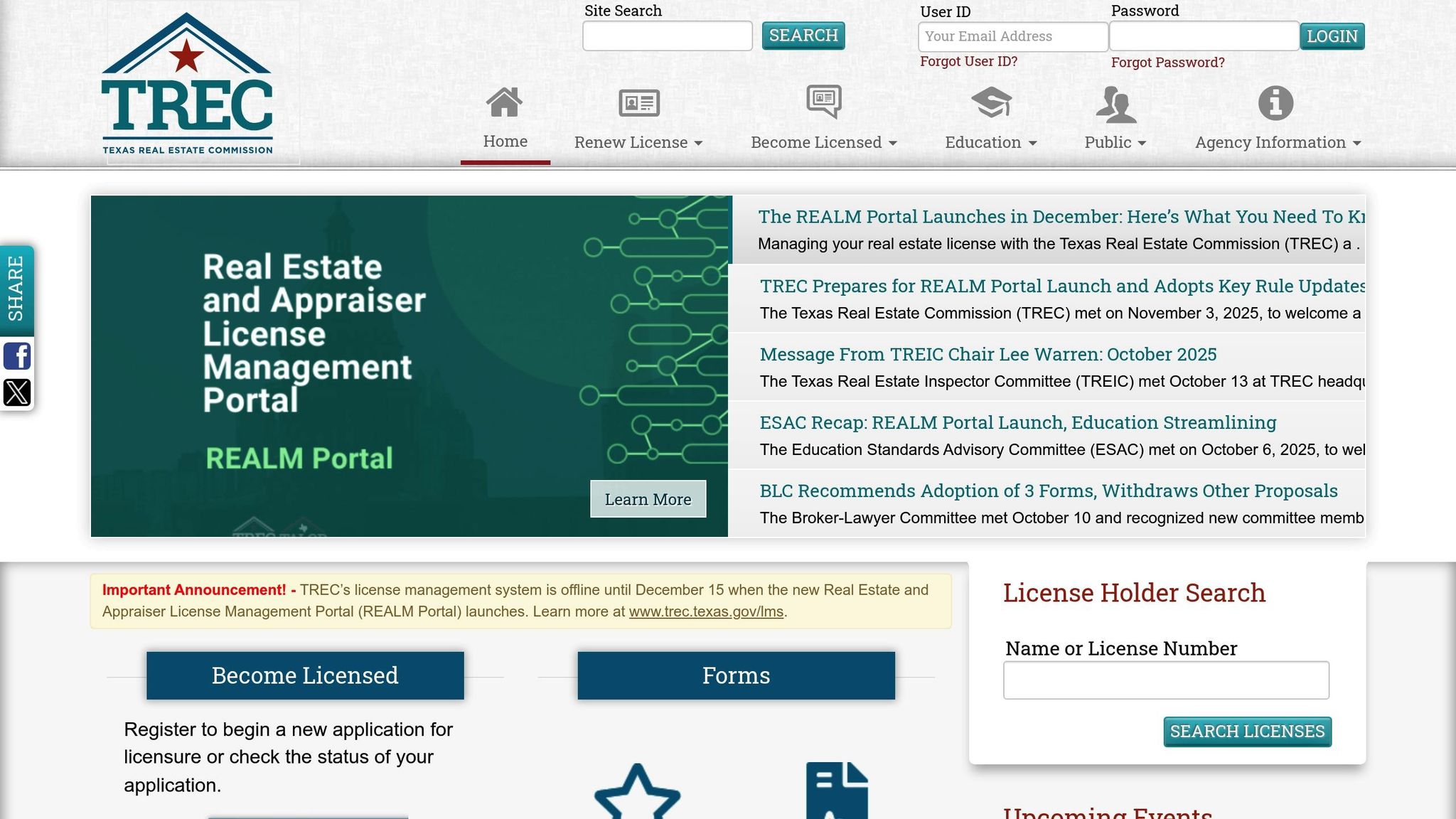
Under the Texas Timeshare Act, registration with TREC is a legal requirement for developers who wish to market or sell timeshare interests in Texas. This process is designed to shield consumers from fraudulent or poorly managed timeshare ventures. To register, developers must submit detailed documentation about their timeshare plan, which TREC evaluates for compliance with state regulations.
Failure to register is a serious violation of the Texas Timeshare Act and can lead to significant consequences. Developers risk penalties of up to $10,000, suspension or revocation of their registration, and potential civil liability under the Texas Deceptive Trade Practices – Consumer Protection Act. Additionally, unregistered developers are strictly prohibited from advertising timeshares in Texas, even if their marketing materials are accurate. Registration is the essential first step, allowing developers to proceed with marketing and sales activities legally.
This requirement also supports the broader disclosure obligations previously discussed. By ensuring proper registration, TREC reinforces developers’ compliance with all legal requirements before they interact with consumers in Texas.
Verifying Registration Status
Since registration is a prerequisite for lawful advertising, verifying a developer’s status is an important step for protecting your interests. Consumers should confirm a developer’s registration with TREC before attending sales presentations or signing any agreements. Some developers may attempt to market timeshares without the necessary registration, putting buyers at risk of scams or illegitimate operations.
TREC maintains a database of registered timeshare plans and developers, making it easy for consumers to check a developer’s status. Contacting TREC directly is a simple way to confirm whether a timeshare plan is properly registered. This verification is especially critical if you’ve responded to an advertisement or promotional offer and are considering attending a sales event. If a developer cannot provide proof of registration or if TREC cannot confirm their status, consider this a major warning sign.
It’s important to remember that registration requirements apply even if the developer is based in another state. Selling or advertising timeshares to Texas residents requires TREC registration, regardless of where the developer operates. Always verify compliance independently to ensure you’re dealing with a legitimate operation.
If you find that a developer has sold you a timeshare without proper TREC registration, you may have grounds to cancel the contract. Such violations fall under the Texas Deceptive Trade Practices – Consumer Protection Act, which offers additional remedies for affected consumers. For those seeking assistance, Aaronson Law Firm provides free consultations to evaluate whether registration violations or other legal issues could help you exit your timeshare agreement.
sbb-itb-d69ac80
Penalties for Non-Compliance
Failing to meet the disclosure requirements set by TREC can lead to serious consequences. For starters, administrative penalties of up to $10,000 can be imposed for using false, misleading, or deceptive advertising practices. The exact penalty depends on the nature and severity of the violation.
These violations cover a broad spectrum of advertising missteps, such as bait-and-switch tactics involving resort amenities, making false promises about future benefits, pressuring consumers during sales seminars, failing to disclose developer or marketing company details, omitting required timeshare solicitation statements in ads, and violating Contest and Gift Giveaway Act requirements. These rules are in place to ensure transparency and accountability at every stage of the advertising process.
Beyond monetary fines, TREC has the authority to suspend, revoke, or place registrations on probation. A suspension or revocation essentially halts a developer’s ability to sell timeshares in Texas, regardless of the company’s location. Probation often involves strict compliance monitoring and reporting, which can increase operational costs and burdens.
Developers also face potential civil liabilities under the Texas Deceptive Trade Practices – Consumer Protection Act. Buyers can rescind contracts if a violation is deemed an unfair trade practice, even after the standard cancellation window has passed. In these cases, the contract may be declared voidable, offering buyers additional protections.
Consumers have two main avenues for enforcement. They can file an administrative complaint with TREC, which may lead to regulatory action against the developer, or they can take legal action through civil courts to seek damages or cancel contracts.
Proper documentation is critical to avoid escalating penalties. Developers must maintain records proving compliance with disclosure requirements, including evidence that advertisements included developer names, marketing company details, and timeshare solicitation statements. Additionally, they must document adherence to the Contest and Gift Giveaway Act and provide proof that required timeshare disclosure statements were shared with potential buyers. Failing to produce these records during a TREC investigation can lead to presumptions of non-compliance, increasing the likelihood of maximum penalties.
Common advertising violations include misleading claims about resort amenities, failing to clearly state that an ad is soliciting timeshare purchasers, omitting developer or marketing company details, and improperly using gifts or prizes without adequate disclosure.
To avoid these penalties, transparency and thorough documentation are essential. Sales agents who fail to provide required disclosures or engage in deceptive advertising practices violate Texas law, potentially giving buyers grounds to challenge their contracts long after the cancellation period has ended. If you suspect violations, reach out to Aaronson Law Firm for a free consultation to explore your options for contract cancellation or legal action.
Conclusion
Texas has put specific timeshare advertising laws in place to shield consumers from misleading practices that could lead to long-term financial commitments. These regulations aim to ensure transparency, helping buyers make well-informed decisions before signing on the dotted line. By requiring developers to clearly identify themselves in advertisements, disclose their role as timeshare solicitors, and provide full details about fees and cancellation rights, the law empowers consumers to fully understand what they’re agreeing to. This transparency extends from the initial ad all the way through to the final sale.
To enforce these rules, Texas imposes strict penalties for non-compliance. Developers who fail to meet disclosure requirements can face fines of up to $10,000, along with the suspension or revocation of their registrations. Additionally, violations of the Texas Timeshare Act often overlap with breaches of the Texas Deceptive Trade Practices – Consumer Protection Act. This gives buyers access to strong legal remedies, even beyond the standard cancellation period.
If you think a developer has violated advertising disclosure rules, you have options. Common violations include missing developer information, incomplete disclosures, or the absence of required timeshare statements. These mistakes could provide grounds to challenge your contract, no matter how much time has passed since your purchase. Spotting these issues early can help you take the right steps toward legal resolution.
Navigating a timeshare dispute often requires the expertise of a qualified attorney. As Aaronson Law Firm explains, "Unlike timeshare exit companies, we are actual attorneys. That means that we have a fiduciary and legal obligation to put our client’s interests first." This distinction is key because only licensed attorneys can determine whether advertising violations make your contract voidable, file lawsuits on your behalf, and provide the legal protection you need when dealing with developers.
If you’re dealing with a timeshare agreement that you believe was marketed unfairly, don’t assume it’s too late to act. Gather all advertising materials, contracts, and disclosure documents, and consider reaching out to Aaronson Law Firm for a free consultation. The firm focuses exclusively on timeshare contract cancellations and can determine if advertising violations or other legal issues give you a path to exit your agreement. Their team can assist with stopping payments, preventing your children from inheriting the timeshare, and protecting your credit while pursuing cancellation.
Texas law offers strong protections for timeshare buyers, but it’s up to consumers to know their rights and take action when necessary. Whether you’re thinking about buying a timeshare or looking to cancel an existing agreement, understanding these advertising rules is the first step toward recognizing violations and seeking the right solutions.
FAQs
What information is legally required in Texas timeshare advertisements?
Under Texas law, timeshare advertisements are required to include specific disclosures to promote clarity and protect consumers. These disclosures must provide straightforward information about the property’s location, any associated fees or costs, and the terms of ownership or usage. Advertisers are also prohibited from making misleading claims and must clearly explain any promotional offers, such as discounts or gifts.
Failing to meet these requirements can lead to legal consequences for the advertiser. If you suspect a timeshare advertisement violates Texas law or need assistance with a timeshare-related legal issue, reaching out to a specialist in timeshare law can help you navigate the situation and understand your rights.
How can I check if a timeshare developer is registered with the Texas Real Estate Commission?
To check if a timeshare developer is registered with the Texas Real Estate Commission (TREC), head over to the TREC website and use their license search tool. This tool lets you verify the registration of developers, brokers, or sales agents, ensuring they are operating within Texas legal guidelines.
Confirming a developer’s registration is a smart way to safeguard yourself against potential fraud and ensure compliance with state laws. If you face any problems with a timeshare agreement, the Aaronson Law Firm offers legal support to help you explore your options.
What should I do if I suspect a timeshare advertisement in Texas doesn’t meet legal disclosure requirements?
If you think a timeshare advertisement has breached Texas disclosure laws, taking swift action is key. Consult a legal expert who specializes in timeshare matters to better understand your rights and determine the best course of action.
The Aaronson Law Firm provides free consultations to guide you through your options. Their team is dedicated solely to timeshare-related legal issues, including handling advertising violations and safeguarding your financial interests.
Related Blog Posts
- How Disclosure Timing Affects Timeshare Buyers
- Mandatory Disclosure Rules in Timeshare Contracts
- Texas Property Code 221.041: Rescission Rights
- State Laws on Timeshare Resale Restrictions